Late in the day, tired legs start to whisper first, then complain. A heavy pull from calf to ankle, a burn under the skin after a long meeting, the dull throb that shows up when you finally sit down. If you can trace a ropy line under the skin or spot clusters of visible veins around the knee or ankle, your circulation is flagging a signal. The good news is that modern varicose vein treatment options are precise, office based, and built around restoring energy as much as restoring appearance. When treatment fits the pattern of your symptoms and the anatomy of your veins, relief is the rule, not the exception.
Why varicose veins make legs feel so tired
Healthy leg veins return blood to the heart with one-way valves and the squeeze of your calf muscles. When valves fail, blood trickles backward and pools. Pressure builds. The leg swells, nerves get irritated, and tissues run slightly low on oxygen. People describe it in different ways: aching after a short walk, a burning sensation by the end of the day, night cramps that wake them, itching veins along the shin, or a throbbing vein that feels hot to the touch. The umbrella term is venous insufficiency. Varicose veins are just the visible part of it.
Symptoms vary by time of day and activity. Athletes tend to notice leg fatigue and slow recovery after training. Standing jobs bring on heaviness by lunchtime. Pregnancy increases blood volume and hormone levels that relax vein walls. Genetics and weight play roles. Treating the faulty vein pathways interrupts the pressure cycle, and tired legs usually come back to life within days to weeks.
Who benefits from treatment now, not later
Early varicose vein treatment options are not about vanity. They are about preventing the cascade from heaviness to swelling to skin changes and, eventually, ulcers. If your legs feel better on vacation or after a weekend with your feet up, that is a clue. If you see ankle swelling by evening, or if night cramps are new, you are already feeling consequences of refluxing veins.
Late stage varicose vein treatment is still effective. In fact, some of the most grateful patients are those who lived for years with aching and itching, then watched their energy return after a few office visits. Seniors commonly worry about safety, but safe procedures for varicose veins are the norm, with local anesthesia and ultrasound guidance. Young adults often want quick treatment for varicose veins with minimal downtime. Both aims are realistic today.
What happens at a proper vein evaluation
A thorough varicose vein treatment consultation does not begin with a laser or a catheter. It begins with questions about when your legs bother you, what makes them better, and whether you have a history of clots or surgery. The vein treatment screening process then moves to a focused exam and an ultrasound.
Ultrasound is the backbone of diagnosis before varicose vein treatment. A trained sonographer maps where blood is flowing correctly and where it is refluxing. We call it vein mapping before treatment, and it is more than a picture. It is a blueprint that shows which truncal veins and tributaries are the culprits and how deep or superficial they sit. The test takes 20 to 45 minutes depending on complexity. With that in hand, treatment planning for varicose veins becomes straightforward: close the problem conduits, then address visible surface branches.
A good clinic will talk you through personalized varicose vein treatment plans, explain the rationale for each step, and set expectations. If you hear a one size fits all pitch without ultrasound vein treatment techniques or guided vein treatment procedures, keep shopping. Precision matters in vascular treatment for varicose veins.
A clear look at modern treatment methods
Thirty years ago, stripping surgery meant an operating room and weeks of recovery. Today, almost all clinical varicose vein treatment is office based and minimally invasive. The aim is the same: seal off the failing veins so blood reroutes to healthy channels.
Here is a compact comparison of the main varicose vein treatment methods used in a vein clinic. Each is an outpatient, catheter based or injection based vein treatment, usually with local numbing and ultrasound guidance.
- Endovenous laser ablation, an energy based vein treatment that uses laser therapy for varicose veins to heat seal a refluxing trunk vein. Effective for large, straight segments, with relief often within a week. Radiofrequency ablation, a heat based varicose vein treatment that uses radiofrequency energy to close the vein. Similar outcomes to laser, with a slightly different heat profile and comfort feel. Medical adhesive closure, a vein sealing treatment using a cyanoacrylate glue delivered through a catheter. No tumescent anesthesia is needed, which some patients prefer. Mechanochemical ablation, a combined mechanical and chemical treatment for varicose veins. A rotating wire agitates the vein lining while a sclerosant seals it, with minimal heat. Foam sclerotherapy and microfoam, a chemical, injection based vein treatment that targets small to medium veins and residual tributaries. Great for treatment for small varicose veins and spider vein clusters.
Ambulatory phlebectomy, tiny micro-incisions that remove bulging surface veins, is often paired with one of the above when treating large varicose veins that are very superficial or tortuous. It is a form of vein repair procedures for varicose veins with immediate cosmetic payoff.
The best way to treat varicose veins for you depends on vein size, path, depth, skin type, pain sensitivity, and schedule. A layered vein treatment approach is common: close the trunk with energy or adhesive, then tidy the branches with foam or phlebectomy.
How long varicose vein treatment takes and what recovery looks like
For a typical leg, the procedure time ranges from 20 to 60 minutes. With staged varicose vein treatment, we often do one major vein per session to keep things comfortable and controlled. Many patients schedule a varicose vein treatment appointment during a long lunch and return to desk work the same day. That is truly varicose vein treatment without downtime for most desk jobs. Standing jobs might need a day or two of lighter duty.
Varicose vein treatment recovery time is short. Expect walking right after the procedure. Compression stockings are worn for several days to two weeks, depending on the method. Bruising or a pulling sensation along the treated vein is common for a few days. That sensation means the vein is contracting and healing. The varicose vein treatment healing process takes about 2 to 4 weeks for the body to reabsorb the treated segments fully, while cosmetic refinement continues for a few months.
What to expect after vein treatment, day by day, looks roughly like this: walking immediately, mild soreness day 1 to 3, improving heaviness and aching within a week, night cramps fading over the first month, and visible veins softening and flattening as tributaries close. Before and after varicose vein treatment photos usually show the biggest visual change by 8 to 12 weeks, when inflammation has settled and the skin texture improves.
Tailoring care to your life and work
Professional varicose vein care is not only about technique. It is also about timing, roles, and habits. The same ultrasound map can lead to different plans depending on your goals.
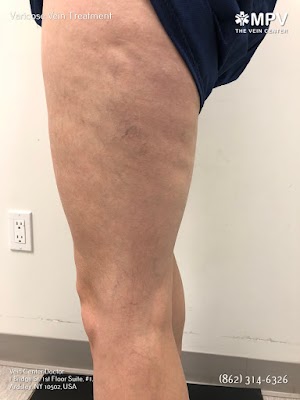
Varicose vein treatment for athletes focuses on quick return to training. We tend to avoid procedures that require long rest. Energy based options like radiofrequency or laser are predictable, and we schedule staged care around event calendars. Gentle cardio is encouraged right away, with heavier leg work resuming after 7 to 10 days if soreness is minimal.
Varicose vein treatment for standing jobs, such as teachers, stylists, or line workers, prioritizes pain relief and swelling control. Often there is a prominent refluxing great saphenous vein. Closing it can reduce leg fatigue within a week. A medical note for temporary breaks or seated periods helps during the first 48 hours.
Varicose vein treatment for seniors centers on safety and balance. Local anesthesia, ultrasound guidance, and careful medication review make office based varicose vein treatment particularly safe. We screen for deep vein thrombosis risk and tailor compression plans for arthritic hands and limited mobility.
Varicose vein treatment for young adults often addresses visible veins around the knee and calf with a combination therapy for varicose veins: a short ablation for the trunk and microfoam or phlebectomy for the cosmetic clusters. The result is less aching in class or at work and a smoother look in shorts.
Varicose vein treatment for pregnancy veins takes a different path. During pregnancy, definitive procedures are usually deferred. We use compression and positioning to control symptoms. Post pregnancy varicose vein treatment gets scheduled once hormones and blood volume normalize, typically 3 to 6 months after delivery. Many pregnancy veins recede, but persistent reflux can be treated effectively at that point.
Varicose vein treatment after weight loss sometimes reveals veins that were hidden. Circulation often improves with weight change, but if the valves are damaged, symptoms linger. We map anew because anatomy shifts with weight loss.
Planning by season, or just getting it done
Varicose vein treatment before summer is a common goal for people who want both comfort and confidence in shorts. Counting backward helps. Allow 8 to 12 weeks for full cosmetic settling after a multi step varicose vein treatment plan. Winter varicose vein treatment plans are popular because stockings are easier to tolerate under pants and swelling is less in cooler weather. That said, year round varicose vein treatment is entirely reasonable. The body heals on its own timetable, and modern techniques fit every season.

Same week varicose vein treatment is often available for straightforward cases once ultrasound and insurance authorization are done. Walk in varicose vein treatment in the truest sense is rare, because guided vein treatment procedures should never be performed without mapping. Still, urgent varicose vein treatment can be arranged if a superficial clot or sudden pain flares, and interim measures like anti-inflammatories and compression can bridge to a scheduled procedure.
Single session or staged care
A full spectrum vein treatment approach works best when anatomy is complex or symptoms are advanced. We often do a step by step varicose vein treatment: first, close the main refluxing trunk vein; second, treat tributary branches with foam; third, remove conspicuous surface ropes with phlebectomy if needed. A staged varicose vein treatment lowers the per-visit burden and allows fine tuning based on early results.
Combination therapy for varicose veins is not overkill. It is precision. When a vein curves near a nerve or lies close to the skin, foam may be elected instead of heat to avoid skin injury. When a short segment needs closure without tumescent anesthesia, medical adhesive may be the right pick. Custom vein therapy solutions mean exactly that: pick the right tool for the right segment.
Safety, side effects, and what is normal
Safe procedures for varicose veins share common features: ultrasound guidance, local anesthesia, sterile technique, and a team that does these procedures every week. The varicose vein treatment risks and benefits discussion should be honest. Typical side effects include bruising, tightness along the treated tract, and occasional lumps that soften over weeks. A small number of patients feel a transient burning line when stretching the calf. Skin numbness near tiny incision sites may persist for a few weeks.
Rare but serious risks include deep vein thrombosis, skin burns with heat based options, allergic reaction to sclerosants, or phlebitis, an inflammatory cord. The overall varicose vein treatment success rate is high, with durable closure of the treated vein in 90 to 98 percent of cases depending on method and vein size. If a segment partially reopens, a touch up with foam or energy usually fixes it. Discuss your personal risk profile if you have clotting disorders, active infection, or are on blood thinners.
Results you can expect, and how soon
The varicose vein treatment effectiveness you feel is often faster than what you see. Heaviness and aching typically improve in the first week. Night cramps may take a few weeks to fade. Swelling improves over several weeks as lymph and venous pressures equilibrate. The varicose vein treatment results timeline for visible changes depends on how close the veins are to the skin and whether phlebectomy was part of the plan. Surface ropes removed by phlebectomy look better right away, with small healing lines that blend quickly. Foam treated veins can look lumpy before they flatten over 4 to 8 weeks.
Long term results of varicose vein treatment are strong when the primary sources of reflux are closed and you keep up with basic leg health. New veins can form over years if genetics run strong or if jobs, pregnancies, or weight changes strain the system again. Prevent recurrence varicose vein treatment is more about monitoring and small touch ups than about starting over.
Life after treatment: keep the gains
You should not have to baby your legs forever, but the little things sustain your results. A simple, consistent plan helps reduce vein appearance over time, smooth skin after vein treatment, and improve leg circulation. Here is a practical checklist many patients find useful.

- Walk daily, 20 to 30 minutes, starting the day of treatment. Calf muscle pump is medicine for veins. Use compression therapy after vein treatment as prescribed, then keep a lighter pair for travel or long standing days. Resume exercise after varicose vein treatment gradually, with gentle cardio first, then strength. Avoid heavy squats the first week. Mind skin care after varicose vein treatment with moisturizers and sunscreen. Healing skin hates friction and sunburn. Schedule follow up care after vein treatment and a vein treatment monitoring plan every 6 to 12 months if you had advanced disease.
Prevent new varicose veins treatment is really preventing the conditions that unmask weak valves. Maintain weight in a healthy range, break up long sitting or standing with calf raises, and stay hydrated. For frequent flyers, compression on travel days is a small habit with an outsized payoff.
Cosmetic concerns and health issues are not either-or
Some people come for visible veins. Others come because their legs hurt. Both are valid reasons. Varicose vein treatment for visible veins often overlaps with varicose vein treatment for pain relief and aching legs. A refluxing trunk vein feeds the unsightly tributaries and the symptoms. Fix the trunk and branches, and you address both cosmetic concerns and health issues. The reward is not only a smoother contour, but also lighter steps and more reliable sleep without night cramps.
A closer look at technique and guidance
Ultrasound vein treatment techniques are the quiet heroes of modern care. During targeted vein therapy options, the probe acts like a map and a camera. We see the vein collapse as heat or adhesive takes hold. We trace foam as it displaces blood. Guided interventions are the difference between guesswork and precision varicose vein treatment.
Catheter based vein procedures let us treat long segments through a puncture the size of a freckle. For tortuous or surface veins, injection based vein treatment and micro-incisions solve what catheters cannot reach. When a clinic talks about precision and personalized varicose vein treatment, ask how veincenter.doctorhttps Ardsley NY varicose vein treatment they decide between energy based and chemical options, and how they plan for large versus small tributaries. The answers should reference your ultrasound map, not a preference for one device.
Real world timelines and logistics
People often ask how long does varicose vein treatment take from the first visit to the last stitch of healing. If insurance is involved, authorization can take 1 to 3 weeks. Many clinics offer a varicose vein treatment consultation and ultrasound on the same day to speed things up. Once approved, sessions are scheduled a week apart for staged care. A single leg with one truncal closure and a foam session might wrap in two visits. More complex, full leg work can take three to five visits. The entire arc, from first appointment to final follow up, spans 4 to 12 weeks for most.
Office based varicose vein treatment suits busy calendars. You walk in, change, have the procedure, walk out with a stocking, and head home. Driving is usually allowed after the numbing wears off, but ask your team. If you need urgent varicose vein treatment for a painful superficial clot, we often start with anti-inflammatory measures and target the feeding vein within days. Same week varicose vein treatment is common for self pay plans or straightforward anatomy.
Matching method to vein size and location
Treatment for large varicose veins typically leans on endovenous laser or radiofrequency for the trunk and phlebectomy for the bulging surface segment. Treatment for small varicose veins thrives on foam sclerotherapy, which can chase tiny branches that snake through the skin layer. For clusters at the ankle, where nerves and skin are delicate, chemical options or very gentle, low energy passes make more sense than full heat.
Vein closure methods for varicose veins are selected to respect nearby structures. Heat based options are kept a safe distance from the skin. Chemical foam is dosed to minimize pigmentation risks. Adhesive closure avoids the tumescent fluid used in laser or radiofrequency, which some find more comfortable.
When to call, and when to come in
There are a few red flags that deserve a call to your vein clinic. Sudden swelling of one leg, especially with calf tenderness, needs an ultrasound to rule out a deep clot. A patch of hot, red skin with a hard, tender cord can be superficial phlebitis, often related to a surface varicose vein. That is a reason to accelerate consultation, not to panic. New tingling or significant skin color change over a treated area also deserves attention.
Most days after treatment are uneventful. People go to work, walk after dinner, and are surprised at how routine it feels. The bigger surprise is how the afternoon slump in the legs fades. Many patients, months after a layered plan, forget they once scheduled life around their veins.
The bottom line from years in the room
I have watched hundreds of people reclaim evenings with their kids, run errands without scanning for benches, and sleep through the night without calf spasms. The pattern is consistent. When a vein specialist ties your symptoms to the right anatomy with ultrasound, then executes a tailored plan with a mix of energy, adhesive, foam, and tiny incisions, tired legs get their spark back.
Varicose vein specialist treatment is not a luxury, and it does not require a hospital. It is professional varicose vein care built on small, precise moves that add up: integrated vein treatment approach, targeted vein therapy options, and a simple plan for life afterward. If you are weighing whether to start now or wait for a better season, pick a date, get mapped, and hear your options. Relief is measured in minutes on the treadmill and hours of painless standing, not just in before and after photos.
A healthy legs vein treatment plan feels personal because it is. It begins with a thoughtful conversation, is guided by an ultrasound map, and ends when you can carry groceries up the stairs without thinking about your calves. That is energy and comfort restored, and it is entirely within reach.